One of the best aspects of homeschooling is that instead of teacher-focused classroom instruction, lessons can wrap around the individual student. In fact, the limiting classroom's walls burst open in homeschooled instruction when the parent embraces the plethora of resources available in real-life situations - some, close to home; others, allowing for a mingling of site-seeing and learning.
No matter where you live, you can find engaging opportunities for your child to learn. Do Internet searches, visit your local library, check advertisements in papers and magazines you find - use what means you have to locate fun and educational resources in your community. Similarly, make a list of the places that are farther away that you would like to visit. By calling those locales, you can find out what sort of children's activities they have; whether or not they have a homeschool day with discounted prices; and, if they know of other venues in the area that cater to families with children or homeschooling families. Be sure to send a thank you (and a picture of your smiling child enjoying their often free activities) to the director of the program, so that they know how valuable it is to the community. Doing so will ensure that programs you enjoyed will remain available for other families.
Occasionally, I'm going to provide some highlights of the resources and places our family frequents, so that it is beneficial to you, as well. If you have experience with a certain place or resource I list, please feel free to share your thoughts on the topic and maybe provide a picture of your family enjoying the children's activities at the place, too.
 Without further ado, here's a look at Explore More Discovery Museum in Harrisonburg, VA. Our family purchased the Explorer Membership, which has allowed us to also get in free to many other children's museums in states, such as California, New York, Maryland, Ohio, etc, all across the country. Of course, you can also search for a children's museum near you via the Association of Children's Museums. In April 2013, the reciprocal membership will change to 1/2 off admission prices to other children' museums that participate in the program (sigh).
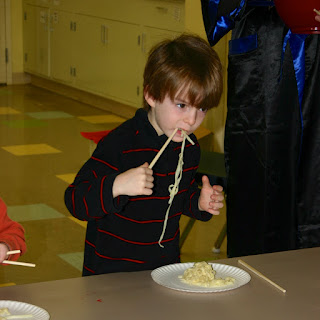 Not only does Explore More Discovery Museum have hands-on displays for kids, but they also have programs that are often free or discounted for members. For example, the children's museum in Harrisonburg has a list of Weekly Programs that span the week. These are a great way to enhance your children's learning experience. For those who are susceptible to the over-used argument that homeschooled children do not get enough socialization, here is an example of how your child can gain more exposure to peer interactions. [Side note: a large majority of the homeschooled children I know are better communicators and socializers than their public-schooled counterparts. So, I feel this is an extremely weak argument.]
So, what are the displays like? Here is a basic sampling of the resources at Explore More Discovery Museum as of the publication of this blog post. The exhibits are thematic.
 This list is by no means complete and it is only for the Harrisonburg children's museum. Hopefully, though, it gives you an idea of what to expect here and in other places, too: an environment with kid-sized and kid-friendly activities to promote positive learning experiences.
By visiting the local children's museums, we've enjoyed a huge amount of resources that we could not possibly house or afford. And that's a big idea, because many families think they have to purchase every possible resource their child needs to learn. This just isn't the case. By making a list of the resources community locales have, you can know at a glance where to go to make good use of those resources when you need them.
No matter where you live, you can find engaging opportunities for your child to learn. Do Internet searches, visit your local library, check advertisements in papers and magazines you find - use what means you have to locate fun and educational resources in your community. Similarly, make a list of the places that are farther away that you would like to visit. By calling those locales, you can find out what sort of children's activities they have; whether or not they have a homeschool day with discounted prices; and, if they know of other venues in the area that cater to families with children or homeschooling families. Be sure to send a thank you (and a picture of your smiling child enjoying their often free activities) to the director of the program, so that they know how valuable it is to the community. Doing so will ensure that programs you enjoyed will remain available for other families.
Occasionally, I'm going to provide some highlights of the resources and places our family frequents, so that it is beneficial to you, as well. If you have experience with a certain place or resource I list, please feel free to share your thoughts on the topic and maybe provide a picture of your family enjoying the children's activities at the place, too.

 Not only does Explore More Discovery Museum have hands-on displays for kids, but they also have programs that are often free or discounted for members. For example, the children's museum in Harrisonburg has a list of Weekly Programs that span the week. These are a great way to enhance your children's learning experience. For those who are susceptible to the over-used argument that homeschooled children do not get enough socialization, here is an example of how your child can gain more exposure to peer interactions. [Side note: a large majority of the homeschooled children I know are better communicators and socializers than their public-schooled counterparts. So, I feel this is an extremely weak argument.]
So, what are the displays like? Here is a basic sampling of the resources at Explore More Discovery Museum as of the publication of this blog post. The exhibits are thematic.
- intact train sets (not interchangeable) with moveable trains
- books related to subject matter in each exhibit
- indoor tube slide
- Keva blocks and planks
- Fridgits magnetic and moveable marble maze pieces
- wooden marble maze blocks
- puppet theater with an assortment of puppets
- stage theater with an assortment of costumes, sound effects, and face paints
- ambulance with lights and safe medical equipment
- large Operation-like game with removable bones, etc
- art room with a plethora of supplies
- under 3 area with soft play mats and age-related toys - all closed off to older children
- full-scale, child-sized, and stocked kitchen with washing/drying machines, refrigerator, stove, etc
- market area with produce, shopping baskets, cash register, and a lemonade stand
- garage with a car that allows you to change tires, "add" fluids, and honk a horn
- television studio, where your child can be an anchor(wo)man or weather forecaster
- smart board with educational apps
- picnic area (for you to bring a packed lunch)
- animal displays: a tarantula and a tree frog
- chicken display that shows the development of a chick in an egg
- science lab with an assortment of related tools
- wheelbarrow and garden area, where kids can pretend to harvest food

 This list is by no means complete and it is only for the Harrisonburg children's museum. Hopefully, though, it gives you an idea of what to expect here and in other places, too: an environment with kid-sized and kid-friendly activities to promote positive learning experiences.
By visiting the local children's museums, we've enjoyed a huge amount of resources that we could not possibly house or afford. And that's a big idea, because many families think they have to purchase every possible resource their child needs to learn. This just isn't the case. By making a list of the resources community locales have, you can know at a glance where to go to make good use of those resources when you need them.